

Recovery from an eating disorder is about far more than simply eating again. It is about rebuilding trust with your body, challenging fear-based food beliefs, and creating a healthier, more compassionate relationship with nourishment. At ViaMar Health, nutrition support is rooted in the “All Foods Fit” philosophy — an approach that encourages balance, flexibility, variety, and freedom from rigid food rules.
When it comes to meal ideas for eating disorder recovery, there is no single “perfect” way to eat. Recovery meals should support physical healing while also helping individuals rediscover enjoyment, satisfaction, and connection through food. That means creating meals that are nourishing, realistic, balanced, and emotionally supportive rather than restrictive or overwhelming.
Simple meals can play an important role in recovery because they help reduce stress around food preparation while still providing the body with the energy and nutrients it needs to heal.
See our Recovery Kitchen Blog recipes for breakfast, lunch, dinner, and snacks presented by ViaMar Chefs.
Why Nutrition Matters in Eating Disorder Recovery
Eating disorders can affect nearly every system in the body, including metabolism, digestion, cardiovascular health, bone density, hormones, concentration, mood, and energy levels. Recovery nutrition helps restore physical stability while also supporting emotional and psychological healing.
Consistent nourishment can help:
- Stabilize blood sugar
- Reduce binge urges and food obsession
- Improve concentration and mood
- Restore energy levels
- Normalize hunger and fullness cues
- Support metabolic healing
At ViaMar Health, nutrition support is not centered on dieting, restriction, or labeling foods as “good” or “bad.” Instead, the goal is to help clients move toward food neutrality and flexibility. The “All Foods Fit” philosophy recognizes that all foods can have a place within a balanced eating pattern and that recovery often requires challenging rigid food rules and fear-based thinking.
This approach can help reduce anxiety around eating while encouraging individuals to reconnect with food as a source of nourishment, comfort, culture, celebration, and joy.
However, reintroducing food can be a challenging process for individuals recovering from eating disorders. It’s important to approach this process with patience, understanding, and professional guidance. The goal is not just to eat, but to develop a healthy relationship with food that supports long-term recovery.
The Role of a Dietitian During Recovery
Recovery nutrition should never feel like something someone has to navigate alone. Registered dietitians who specialize in eating disorders provide individualized support, education, and guidance throughout the recovery process.
A dietitian can help clients:
- Create balanced meal plans
- Reintroduce feared foods gradually
- Normalize eating patterns
- Understand hunger and fullness cues
- Challenge eating disorder thoughts
- Develop more flexible eating habits
- Reduce anxiety surrounding meals
At ViaMar Health, nutrition support is integrated into a broader multidisciplinary treatment approach that includes therapy, medical care, experiential support, and family involvement when appropriate.
The Importance of Balance and Variety
One of the most important goals in recovery is moving away from extremes. Eating disorders often create rigid patterns around food, including restriction, repetitive “safe foods,” food avoidance, or fear of certain ingredients or food groups.
The “All Foods Fit” philosophy helps challenge these patterns by encouraging balance and variety rather than perfection. Meals that include carbohydrates, fats, proteins, fruits, vegetables, and enjoyable foods help support both physical nourishment and emotional flexibility.
Variety is especially important because it:
- Expands nutritional intake
- Helps reduce food fears
- Prevents repetitive eating patterns
- Encourages flexibility
- Makes meals more satisfying and enjoyable
Recovery is not about eating “perfectly.” It is about learning how to nourish the body consistently while allowing room for enjoyment, spontaneity, and real life.

Breakfast Ideas for Recovery
Breakfast helps re-establish consistent eating patterns and provides important energy for both the body and brain. Starting the day with nourishment can also reduce later-day binge urges and improve concentration and mood.
Oatmeal With Nuts, Seeds, and Honey
A bowl of oatmeal topped with nuts, seeds, fruit, and a drizzle of honey provides carbohydrates, healthy fats, protein, and fiber. This combination supports energy, fullness, and satisfaction while offering warmth and comfort.
Classic Overnight Oats **See Recipe
Overnight oats reflect our All Foods Fit philosophy. There’s just a simple base recipe with endless options to explore. You can build a version that feels satisfying to you, whether you prefer something lightly sweet, creamy, fruity, or nutty.
Pesto Fried Eggs with Easy Pesto**See Recipe
As the pesto warms in the pan, the aroma of basil, garlic, olive oil, and cheese creates a rich savory base that transforms everyday eggs into something special with little extra effort.
Whole Grain Toast With Avocado and Fruit
Whole grain toast with avocado paired with fruit creates a balanced breakfast that includes carbohydrates, fats, and vitamins. Adding eggs or yogurt can increase protein if needed.
Greek Yogurt Smoothie
Smoothies can be especially helpful for individuals who struggle with appetite or meal preparation. A smoothie made with Greek yogurt, berries, spinach, and banana offers protein, antioxidants, carbohydrates, and healthy fats in a simple and approachable format.
Lunch Ideas for Recovery
Lunch is an opportunity to continue consistent nourishment throughout the day while incorporating flexibility and variety.
Whole Grain Wrap With Hummus and Turkey
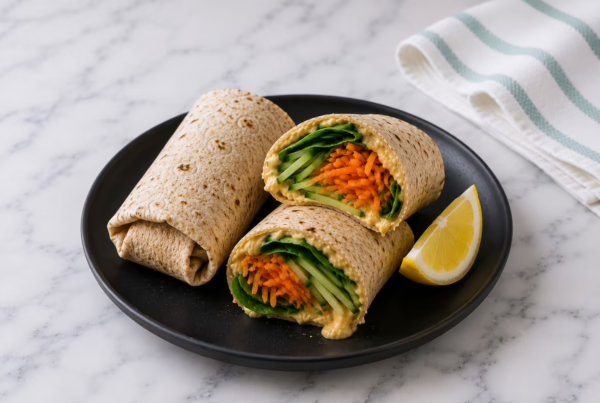
A whole grain wrap filled with hummus, turkey, lettuce, and bell peppers provides balanced nutrition through protein, carbohydrates, fats, and vegetables. It is also portable and practical for busy schedules.
Cold Peanut Noodles **See Recipe
The basic Cold Peanut Noodles recipe is a simple, flexible starting point, designed to take the stress out of cooking while still delivering comfort, flavor, and satisfaction. With just a handful of ingredients and about ten minutes of prep, it comes together quickly.
Tuna Salad Tortilla Wrap**See Recipe
Packed tuna, crisp lettuce, crunchy celery, and bright hints of dill and lemon zest, every bite is fresh, flavorful, and balanced.
Chicken Salad Bowl
A salad with mixed greens, grilled chicken, tomatoes, cucumber, grains, cheese, croutons, or dressing can provide a satisfying balance of nutrients while challenging restrictive food rules around salads needing to be “light” or minimal.
Vegetable Soup and Bread
Soup paired with bread can be comforting, grounding, and easier to tolerate during periods of high anxiety or digestive discomfort. Including carbohydrates alongside soup helps improve fullness and energy.
Dinner Ideas for Recovery
Dinner can be a valuable opportunity to slow down, reconnect socially, and practice balanced nourishment at the end of the day.
Grilled Salmon With Quinoa and Broccoli
Grilled salmon served with quinoa and steamed broccoli provides protein, healthy fats, fiber, and important nutrients that support healing and recovery.
15 Minute Beef Taco / Burrito** See Recipe
15 Minute Beef Taco / Burrito recipe is all about flexibility, comfort, and taking the stress out of mealtime. With simple ingredients, easy preparation, and plenty of topping options, this recipe can be adapted to your preferences and appetite while bringing variety and flavor to the table.
Lemon Garlic Butter Salmon** See Recipe
This simple yet satisfying recipe brings together rich, nourishing salmon with the bright freshness of lemon, the comfort of butter, and the depth of garlic.
Stir-Fry With Rice
A stir-fry with tofu or chicken, mixed vegetables, and brown rice offers flexibility because ingredients can easily be adjusted to individual preferences while still maintaining nutritional balance.
Sweet Potato With Black Beans and Greek Yogurt
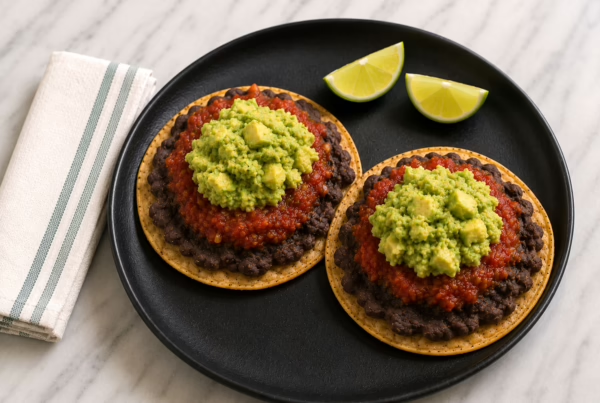
Sweet potatoes topped with black beans, salsa, avocado, cheese, or Greek yogurt can create a comforting and satisfying meal that combines carbohydrates, fats, protein, and flavor variety.
Easy Greek Dinner** See Recipe
Bring the flavors of the Mediterranean to your table with this easy Greek-inspired dinner featuring juicy chicken souvlaki, creamy tzatziki, fresh Horiatiki village salad, and warm pita.
Snack Ideas for Eating Disorder Recovery
Snacks are not “extra” in recovery. They are often an important part of restoring metabolism, maintaining consistent energy, and preventing extreme hunger that can trigger eating disorder behaviors.
Balanced snack ideas include:
- Fruit with nuts or nut butter
- Greek yogurt with granola and berries
- Greek Yogurt Bark **See Recipe
- Toast with almond butter
- Crackers and cheese
- Trail mix
- Hummus with vegetables and pita
Snacks can also help individuals practice flexibility and challenge fears around eating between meals.
Recovery Includes Enjoyment
One of the biggest misconceptions about recovery nutrition is that meals must be rigid, “clean,” or highly controlled. In reality, recovery often involves learning how to include enjoyable foods without guilt or fear.
The “All Foods Fit” philosophy recognizes that food is connected to culture, comfort, identity, relationships, celebration, and joy. Recovery may involve relearning how to enjoy birthday cake, restaurant meals, family traditions, favorite snacks, or social eating experiences again.
This emotional flexibility is just as important as physical nourishment.
Progress Over Perfection
These meal ideas are meant to inspire and provide a starting point. They are not a one-size-fits-all solution. Everyone’s needs, preferences, and recovery journey are unique. The most important thing is to develop a healthy relationship with food that supports your recovery and overall well-being.
Recovery meals do not need to look perfect. Some days eating may feel easier than others. Some meals may feel emotionally challenging. That is normal.
Healing happens gradually through consistency, support, patience, and compassion.
At ViaMar Health, clients are supported through every stage of this process with individualized nutrition counseling, therapy, experiential support, chef-prepared meals, and evidence-based treatment designed to help individuals build sustainable recovery.
The goal is not simply to eat again. The goal is to help individuals reclaim freedom, flexibility, nourishment, and peace with food and body.
Additional Help & Support
Recovering from an eating disorder is a complex process that involves physical, psychological, and nutritional healing. Incorporating balanced and nutritious meals is a critical part of this process. Remember, it’s important to seek professional guidance when reintroducing food and developing a meal plan. A dietitian can provide personalized guidance and support throughout this journey.
If you or a loved one is on the path to recovery from an eating disorder, ViaMar Health is here to support you every step of the way. Our compassionate team of professionals understands the importance of personalized, integrative care, and we’re dedicated to guiding you through a unique treatment plan tailored to your needs. From individual therapy with a primary therapist and registered dietitian to specialized programs for all genders and ages, we offer a range of services including residential, partial hospitalization, and intensive outpatient levels of care. Embrace a healthier future with meals crafted by our in-house chef, comprehensive family support, and a multidisciplinary approach to treatment. Don’t navigate this journey alone. Speak with an Admission Specialist today to start your voyage to recovery with ViaMar Health.