

Sensory Reconnection in Eating Disorder Recovery
Recovery from an eating disorder is often described as rebuilding a relationship with food. While that is certainly true, there is another important relationship being repaired at the same time: your relationship with your senses.
Many people enter recovery believing that healing is only about eating enough, following a meal plan, or challenging food rules. Those are important parts of the process, but recovery is also about reconnecting with the body itself. It is about learning to notice hunger, fullness, satisfaction, comfort, pleasure, taste, texture, smell, emotions, and physical sensations without judgment.
This process is often called sensory reconnection.
At ViaMar Health, our All Foods Fit philosophy recognizes that recovery is not simply about consuming food. It is about restoring flexibility, curiosity, trust, and connection. Sensory reconnection helps make that possible.
What Is Sensory Reconnection?
Sensory reconnection refers to rebuilding awareness of and trust in the body’s internal and external sensory experiences.
This includes:
- Hunger signals
- Fullness cues
- Taste preferences
- Smell
- Texture
- Temperature
- Physical comfort and discomfort
- Emotional responses
- Satisfaction and enjoyment from eating
Many eating disorders create a disconnect between the mind and body. Over time, someone may stop trusting hunger cues, ignore fullness signals, avoid certain textures, eat according to rigid rules, or become disconnected from what food actually tastes like.
Researchers often refer to this body awareness as interoception, the ability to recognize and interpret internal bodily signals such as hunger, fullness, thirst, emotions, and physical sensations. Studies have found that disruptions in interoception are common across eating disorders and can affect the ability to recognize and respond to the body’s needs.
Sensory reconnection is the process of gently rebuilding that awareness.
How Eating Disorders Disconnect Us from Our Senses
Eating disorders are often misunderstood as being solely about food or weight. In reality, they frequently involve a broader disconnection from the body. For example:
Restriction Can Silence Hunger
Someone who has spent months or years restricting food may no longer reliably feel hunger. The body adapts to prolonged undernourishment, and hunger signals may become muted or confusing.
Binge Eating Can Blur Fullness
Repeated cycles of restriction and overeating can make it difficult to identify fullness and satisfaction. Hunger and fullness may begin to feel like all-or-nothing experiences.
Food Rules Override Physical Signals
Many people learn to eat according to external rules:
- Only eat at certain times
- Avoid specific foods
- Ignore hunger
- Stop eating based on calorie targets
- Choose foods based on fear rather than preference
Eventually, those rules become louder than the body’s own messages.
Anxiety Drowns Out Sensory Awareness
When meals become stressful, the nervous system shifts into protection mode. Instead of noticing flavors, textures, and satisfaction, the brain focuses on danger, fear, and self-monitoring.
The result is that eating becomes less about nourishment and enjoyment and more about managing anxiety.
Why Sensory Reconnection Matters
Recovery is not just about eating more food. Recovery is about restoring trust.
Trust that:
- Hunger is information, not a crisis
- Fullness is not a failure.
- Cravings are not something to fear.
- Satisfaction matters.
- Your body can communicate important information.
Research increasingly suggests that body trust plays a significant role in eating disorder recovery. Individuals who experience greater trust in their bodily signals often demonstrate stronger interoceptive awareness and improved recovery outcomes.
When sensory awareness improves, many people begin to experience:
- Reduced food anxiety
- Greater meal satisfaction
- Less obsession around food decisions
- Increased flexibility
- More confidence in their body’s needs
- Greater enjoyment of eating
Sensory Reconnection and the All Foods Fit Philosophy
Our All Foods Fit philosophy is deeply connected to sensory reconnection. If foods are categorized as “good” or “bad,” sensory awareness becomes difficult.
Imagine taking a bite of chocolate cake. Before your senses can even respond, your thoughts may say:
- I shouldn’t eat this.
- This is unhealthy.
- I’ve ruined my day.
- I need to compensate later.
The experience becomes dominated by judgment rather than observation.
In contrast, the All Foods Fit approach encourages curiosity:
- What does this taste like?
- Is it satisfying?
- How does the texture feel?
- What emotions are showing up?
- What is my body telling me?
Instead of labeling food as morally good or bad, we learn to notice our experiences with greater awareness and flexibility. This shift creates space for genuine sensory reconnection.
 Relearning Hunger
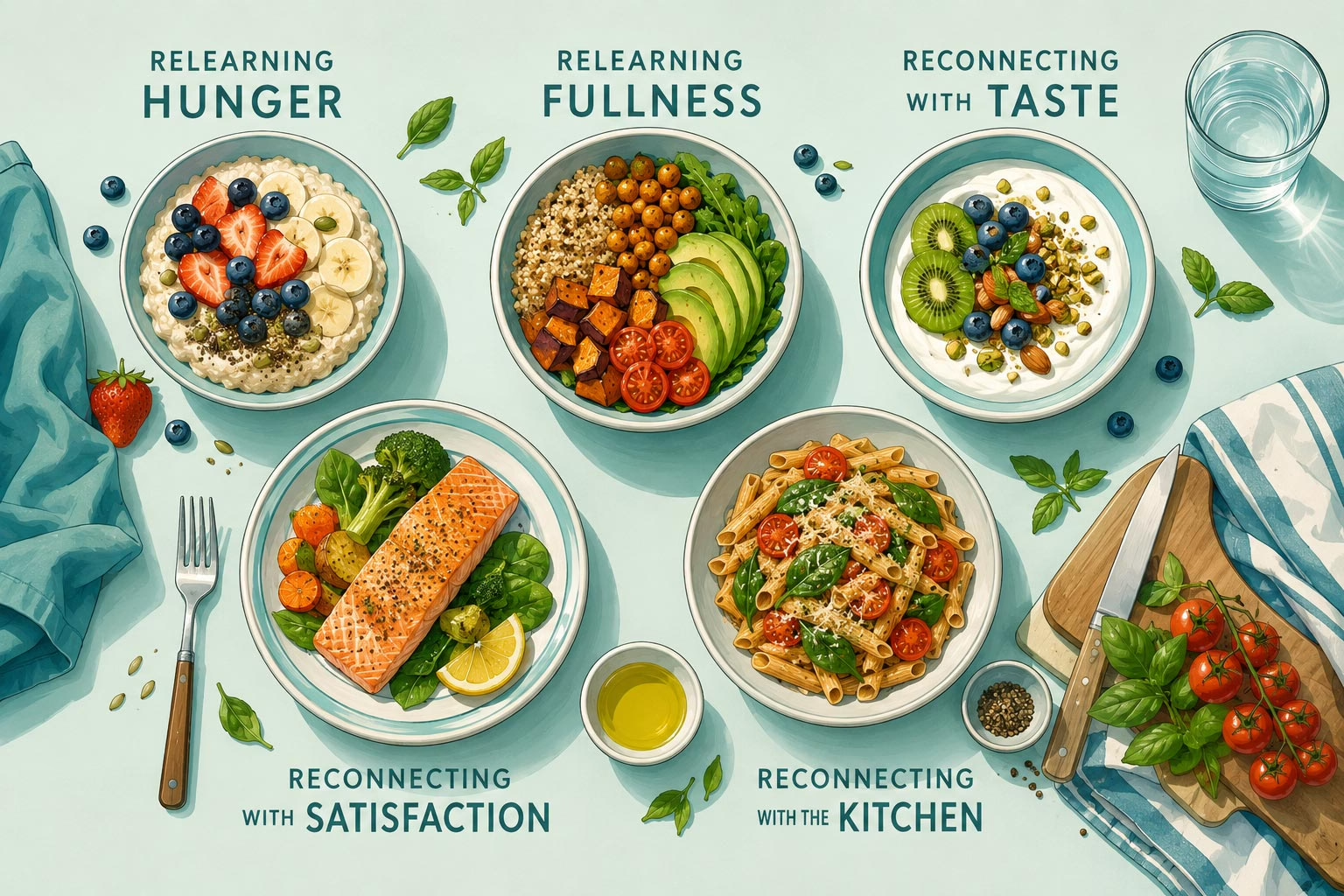
One of the first aspects of sensory reconnection is hunger awareness. Many people entering treatment are surprised to discover they cannot clearly identify hunger. That is not a failure. It is often the result of months or years of overriding bodily signals.
In early recovery, structured eating may be necessary because hunger cues are not yet reliable. Mechanical eating and regular meals provide consistent nourishment while the body relearns how to communicate its needs.
Over time, people often begin noticing hunger in unexpected ways:
- Difficulty concentrating
- Irritability
- Fatigue
- Headaches
- Stomach sensations
- Feeling cold
- Restlessness
Learning these personal hunger signals is a form of sensory reconnection.
Relearning Fullness
Fullness can be even more complicated. For some people, fullness feels frightening. For others, it feels unfamiliar. Some individuals experience fullness as discomfort because their digestive system is adjusting during recovery.
Rather than forcing immediate trust in fullness cues, recovery often involves gradual observation:
- What does comfortable fullness feel like?
- How does satisfaction differ from being physically stuffed?
- What sensations occur before fullness?
- What emotions arise when fullness appears?
The goal is not perfect eating. The goal is greater awareness.
Reconnecting With Taste
Many people are surprised to discover that eating disorders can dull enjoyment. Food becomes a math problem. A set of rules. A source of anxiety. A challenge to get through.
Sensory reconnection invites taste back into the experience.
Try noticing:
- Sweetness
- Saltiness
- Acidity
- Warmth
- Creaminess
- Crunch
- Softness
- Aroma
This is not about eating “perfectly mindfully.” It is about allowing yourself to experience food as food again. Not as a threat. Not as a test. Simply as a sensory experience.
Reconnecting With Satisfaction
Satisfaction is often overlooked in nutrition conversations. Yet it plays a major role in recovery. A meal that provides physical nourishment, but no satisfaction can leave people feeling emotionally deprived. When satisfaction is ignored, cravings often become stronger.
The All Foods Fit philosophy recognizes that satisfaction matters. Sometimes satisfaction comes from:
- A favorite childhood recipe
- A warm bowl of soup
- Fresh fruit
- Pizza with friends
- Ice cream on a summer evening
- A family holiday meal
Satisfaction is not a luxury. It is part of a healthy relationship with food.
Reconnecting With the Kitchen
For many people recovering from eating disorders, the kitchen carries complicated emotions. It may represent:
- Fear
- Control
- Rules
- Conflict
- Anxiety
- Shame
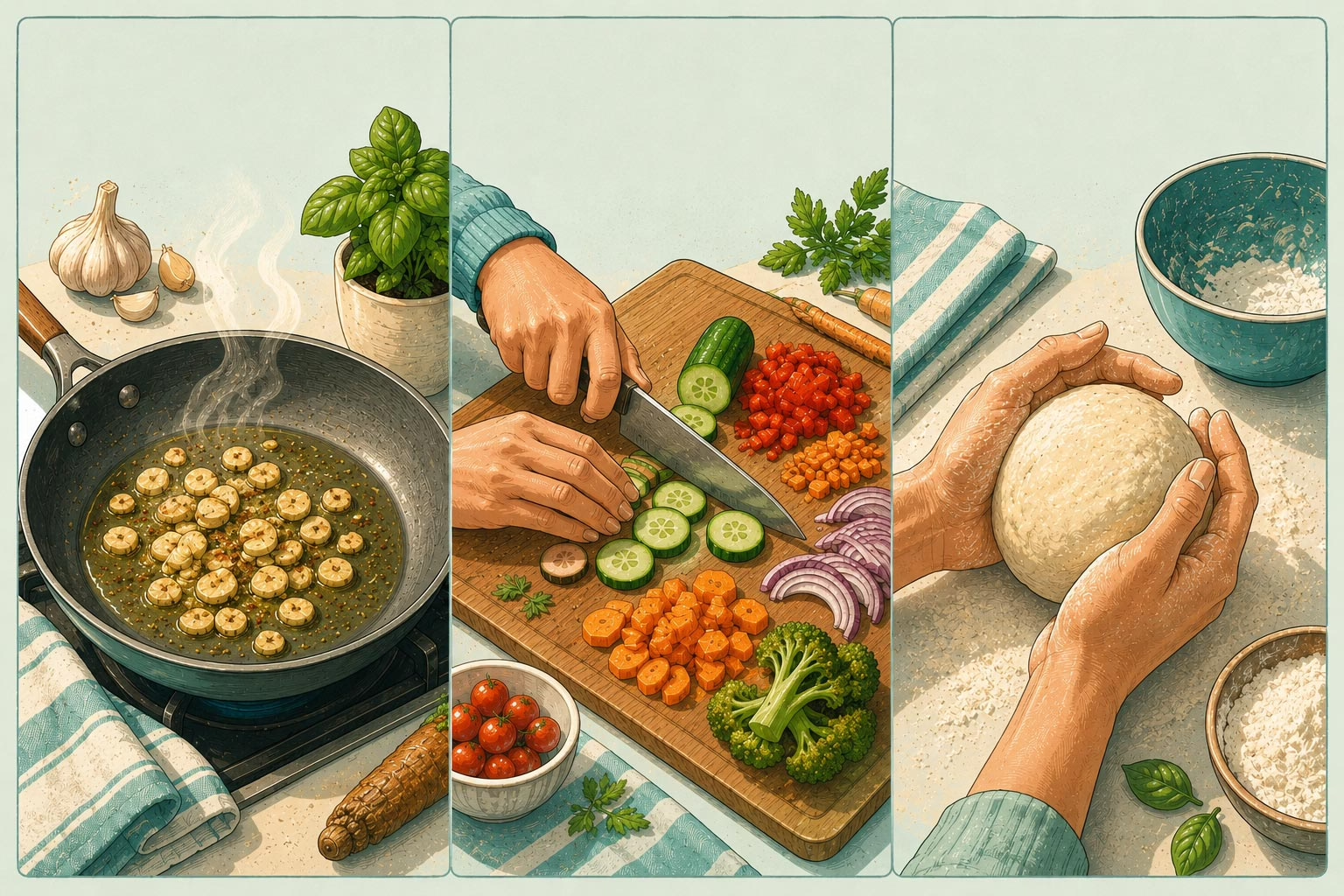 But it can also become a place of healing. Sensory reconnection often happens through small kitchen experiences:
- Smelling garlic sautéing in a pan
- Hearing vegetables being chopped
- Feeling dough between your hands
- Watching a recipe come together
- Sharing food with others
These moments help transform the kitchen from a battleground into a place of nourishment, creativity, and connection. Recovery does not require becoming a gourmet cook. Sometimes sensory reconnection starts with standing in the kitchen with a cup of tea and simply noticing what you feel.
Practical Ways to Practice Sensory Reconnection
Slow Down One Bite
Choose one bite during a meal. Notice:
- Taste
- Texture
- Temperature
- Aroma
No analysis. Just observation.
Explore Curiosity
Instead of asking: “Should I eat this?” Try asking: “What is my experience of this food?”
Notice Body Signals
Several times a day, pause and ask:
- Am I hungry?
- Am I thirsty?
- Am I tired?
- Am I tense?
- What sensations am I noticing?
There is no right answer. The practice is noticing.
Revisit Favorite Foods
Recovery often involves reclaiming foods that have become associated with fear. Approaching these foods with curiosity rather than judgment can support sensory reconnection.
Engage Multiple Senses
Cooking, baking, grocery shopping, gardening, and shared meals all provide opportunities to reconnect with sensory experiences around food.
When Sensory Reconnection Feels Difficult
Many people worry they are “doing recovery wrong” when sensory awareness does not return immediately. The truth is that sensory reconnection often happens gradually.
For some people:
- Hunger returns first.
- For others, taste enjoyment returns first.
- For others, body trust develops slowly over months.
There is no correct timeline. The goal is not perfection. The goal is increased connection.
Every time you pause to notice a sensation instead of judging it, you are practicing recovery.
Every time you listen to your body with curiosity instead of criticism, you are strengthening trust.
Every time you allow yourself to experience food without assigning it moral value, you are moving closer to freedom.
These moments matter because they represent reconnecting with hunger, fullness, taste, satisfaction, and the simple pleasure of preparing and enjoying food. Explore our Recovery Kitchen Blog recipes for breakfast, lunch, dinner, and snacks, inspired by ViaMar Health Chef Blake Walsh, and continue practicing these skills in a supportive, low-pressure way.
A Different Way Forward
- Recovery teaches something different.
- Your body is not the enemy.
- Your senses are not the problem.
- Hunger is not a flaw.
- Fullness is not failure.
- Enjoyment is not something that must be earned.
- Sensory reconnection is the gradual process of coming home to your body again.
Through curiosity, compassion, flexibility, and the All Foods Fit philosophy, recovery becomes more than eating enough food. It becomes an opportunity to rebuild trust in yourself, one sensation, one meal, and one moment at a time.
At ViaMar Health, we believe recovery is not about controlling every bite. It is about reconnecting with the wisdom that has been there all along: the ability to nourish, care for, and trust your body.
Don’t navigate this journey alone. Speak with an Admission Specialist today to start your voyage to recovery with ViaMar Health.