
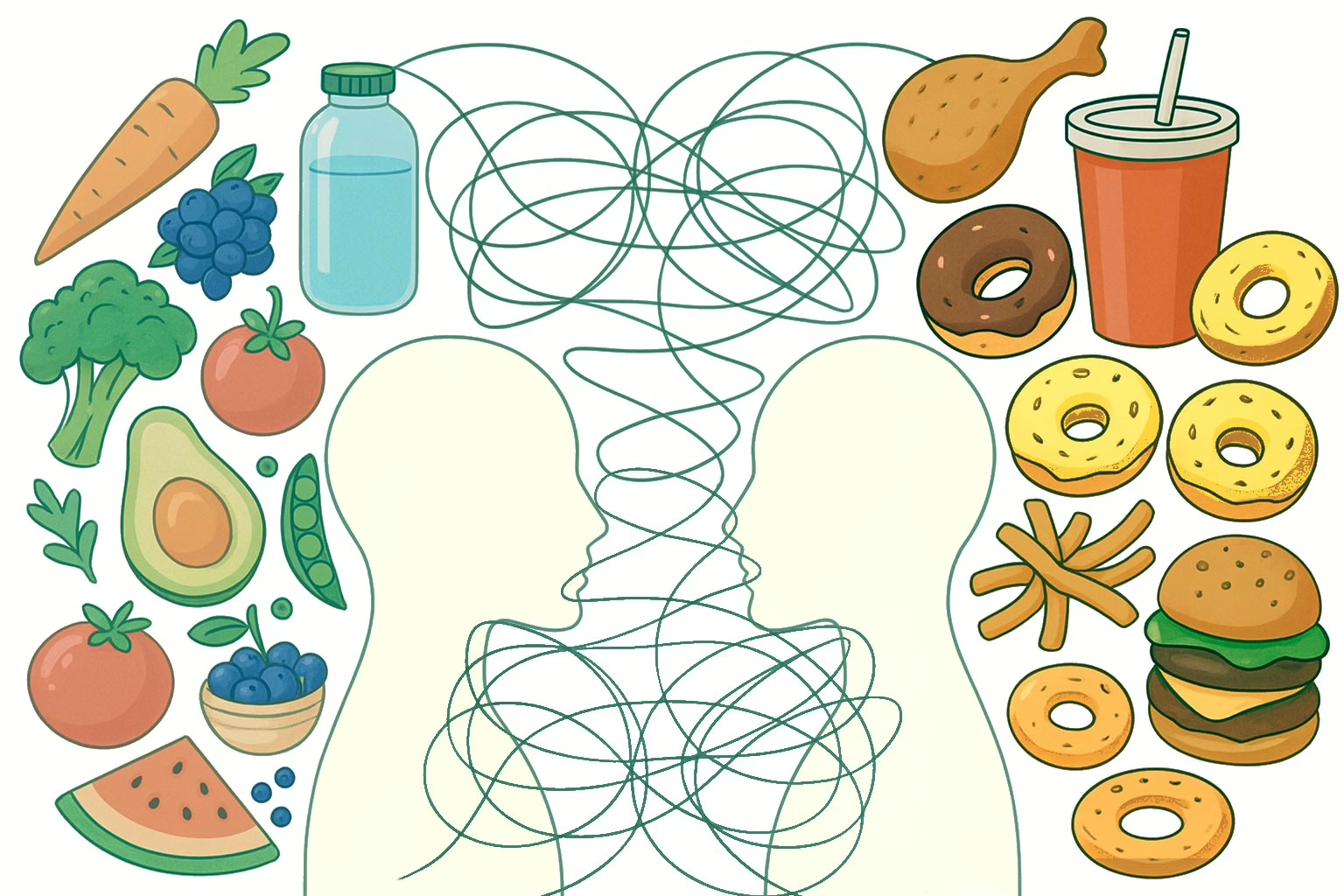
Binge Eating Disorder (BED) is a severe, life-threatening, and treatable eating disorder characterized by recurrent episodes of eating large quantities of food (often very quickly and to the point of discomfort); a feeling of a loss of control during the binge; experiencing shame, distress or guilt afterwards; and not regularly using unhealthy compensatory measures (e.g., purging) to counter the binge eating. It is the most common eating disorder in the United States.
Understanding Binge Eating Disorder
What is Binge Eating Disorder?
BED is a common eating disorder where you frequently consume unusually large amounts of food and feel unable to stop eating. Almost everyone overeats on occasion, such as having seconds or thirds of a holiday meal. But for some people, excessive overeating that feels out of control and becomes a regular occurrence crosses the line to binge eating disorder.
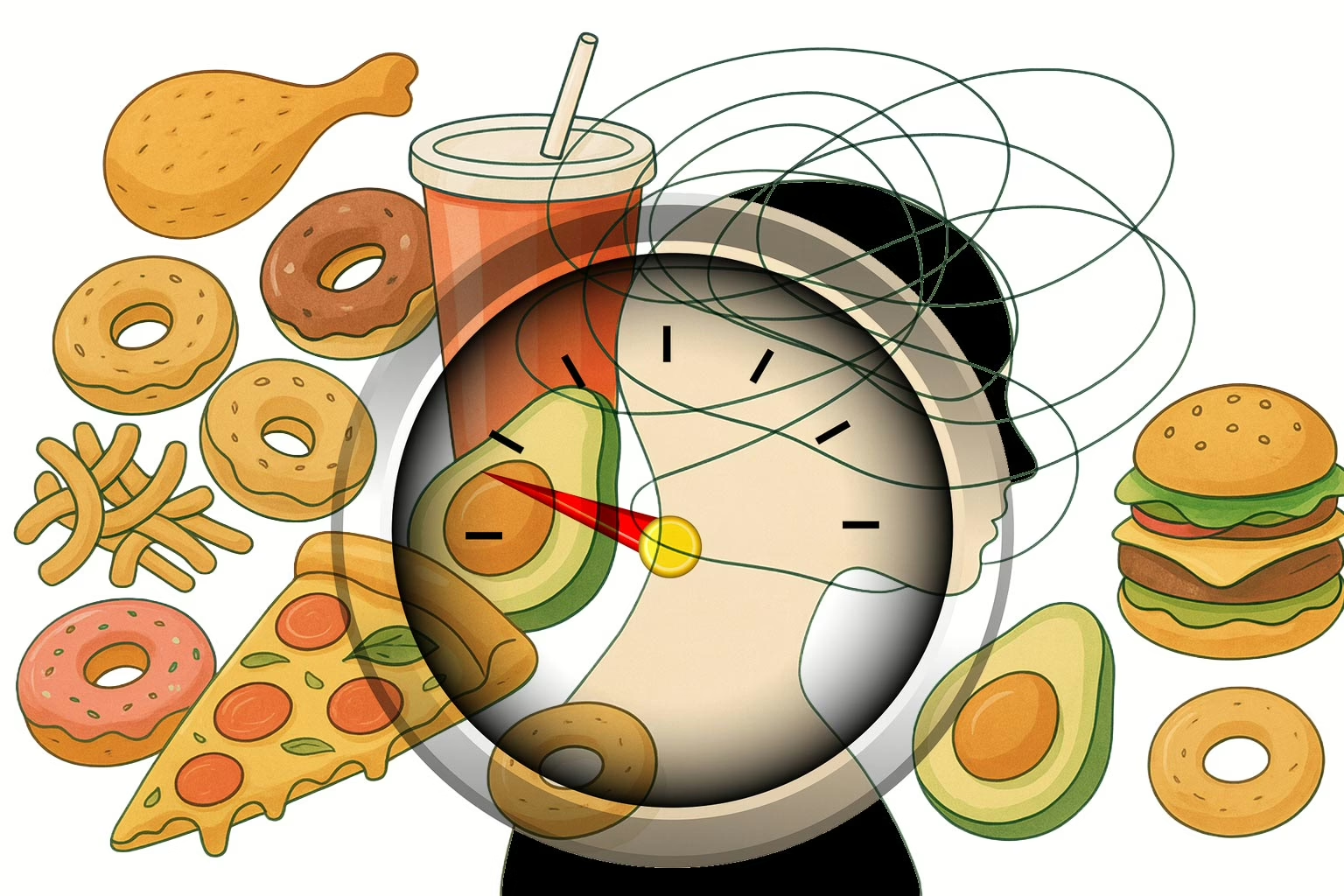
When you have binge eating disorder, you may be embarrassed about overeating and vow to stop. But you feel such a compulsion that you can’t resist the urges and continue binge eating. If you have binge eating disorder, treatment can help.
Signs and Symptoms
Most people with binge eating disorder are overweight or obese, but you may be at a normal weight. Behavioral and emotional signs and symptoms of binge eating disorder include: Eating unusually large amounts of food in a specific amount of time, such as over a two-hour period; Feeling that your eating behavior is out of control; Eating even when you’re full or not hungry; Eating rapidly during binge episodes; Eating until you’re uncomfortably full; Frequently eating alone or in secret; Feeling depressed, disgusted, ashamed, guilty or upset about your eating; Frequently dieting, possibly without weight loss.
Unlike a person with bulimia, after a binge, you don’t try to compensate for extra calories eaten by vomiting, exercising excessively, or fasting. You may try to diet or eat normal meals. But restricting your diet may simply lead to more binge eating. The severity of binge eating disorder is determined by how often episodes of bingeing occur during a week.
Treatment of Binge Eating Disorder
Psychotherapy
Psychotherapy, also known as talk therapy, can be effective in treating binge eating disorder. Cognitive behavioral therapy (CBT) might help you cope better with issues that can trigger binge-eating episodes, such as negative feelings about your body or a depressed mood. It can also provide you with the skills to fight binge eating.
Interpersonal psychotherapy (IPT) focuses on your relationships with other people. The goal is to improve your interpersonal skills — how you relate to others, including family, friends and co-workers. This may reduce binge eating that’s triggered by problematic relationships and unhealthy communication skills.
Medications
Certain types of medication may be useful in treating binge eating disorder. Lisdexamfetamine dimesylate (Vyvanse) is a stimulant that’s shown to be effective in reducing binge-eating episodes. Topiramate (Topamax), an anti-seizure drug, also might help to reduce eating binges and promote weight loss.
Antidepressants might help reduce binge-eating episodes and help alleviate depression in some people. However, their overall effect on binge eating disorder symptoms is not clear.
Weight-loss surgery
Weight-loss surgery also called bariatric surgery, may be a consideration if you have binge eating disorder and haven’t responded to other treatments. This surgery can improve weight-related health problems and enhance your quality of life. However, bariatric surgery requires a lifelong commitment to lifestyle changes, long-term follow-up with the surgical team and must be done in conjunction with other treatments.
It’s also important to note that weight-loss surgery isn’t a guaranteed cure for binge eating and can trigger complications, including a relapse into binge eating.
Support and Coping
Support groups
Support groups provide a forum for sharing your experiences and learning coping strategies. Group members can provide encouragement, comfort, and advice to each other. A support group can also be a good source of information about professional treatment providers and services.
Online support groups make it possible for people to receive support without leaving home. However, these groups should be used with caution. They should be moderated by a professional and should not replace professional treatment.
Self-care strategies
Along with professional treatment, consider these self-care strategies to help cope with binge eating disorder: Stick to your treatment plan – don’t skip therapy sessions and try not to stray from meal plans. Resist urges to overeat – if you feel the urge to eat between meals, choose a healthy snack, such as fresh fruit, vegetables, or a low-calorie protein. Stay connected – don’t isolate yourself from caring family members and friends who want to see you healthy and happy.
Get regular exercise – talk to your doctor about a safe exercise plan. Regular physical activity can help get you in the habit of moving your body and help you better understand how it feels to be hungry and full. Regular exercise can also help improve your mood and energy levels, reduce the risk of health problems, and help promote a positive body image.
###
Binge eating disorder is a serious condition characterized by uncontrollable eating and resulting weight gain. The dangers of BED are real and it’s important to seek help. Treatment options for BED are available and include therapy, medication, support groups, and self-care strategies. With the right help and support, you can develop a healthier relationship with food and work towards recovery.
If you or a loved one is struggling with Binge Eating Disorder, know that you’re not alone. ViaMar Health is here to support you on your journey to recovery. Our compassionate team of professionals offers a personalized approach to treatment, ensuring that you receive the care that’s right for you at every stage of your recovery. From residential programs to intensive outpatient care, we provide a range of services tailored to meet your individual needs, including therapy, nutritional guidance, and support for co-occurring mental health conditions. Take the first step towards a healthier relationship with food and a more fulfilling life. Speak with an Admission Specialist today to start your recovery journey with ViaMar Health.