
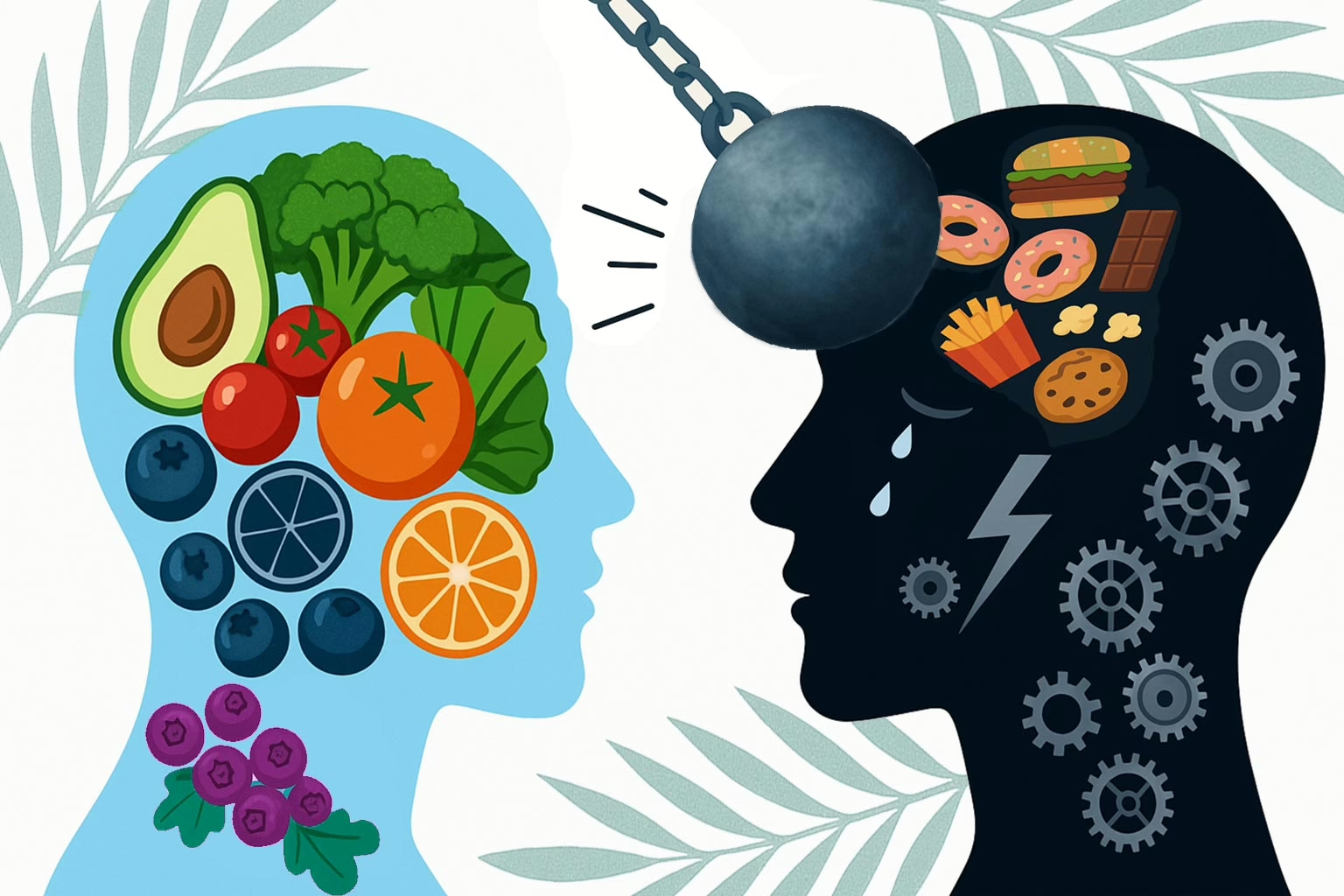
The intersection of trauma and eating disorders is a complex and delicate subject that requires a nuanced approach. Trauma-informed care is a treatment framework that involves understanding, recognizing, and responding to the effects of all types of trauma. When applied to eating disorder treatment, it can help practitioners provide more effective and empathetic care.
Understanding Trauma and Eating Disorders
The Link Between Trauma and Eating Disorders
Research has shown a significant correlation between traumatic experiences and the development of eating disorders. Trauma can disrupt a person’s sense of safety and control, leading to coping mechanisms such as disordered eating behaviors. Understanding this link is crucial in developing a trauma-informed approach to eating disorder treatment.

It’s also important to note that trauma can take many forms, including physical or sexual abuse, neglect, loss of a loved one, or exposure to violence. Each individual’s experience with trauma is unique, and so is their response to it. Therefore, a trauma-informed approach must be flexible and adaptable to each person’s needs.
How Trauma Affects the Brain
Trauma can have profound effects on the brain, particularly in areas responsible for emotion regulation, impulse control, and self-perception. These changes can contribute to the development of an eating disorder, as individuals may use disordered eating behaviors to cope with overwhelming emotions or regain a sense of control.
Understanding these neurobiological changes can help practitioners develop more effective treatment strategies. For example, therapies that focus on emotion regulation and distress tolerance can be particularly beneficial for individuals who have experienced trauma.
Implementing Trauma-Informed Care in Eating Disorder Treatment
Principles of Trauma-Informed Care
Trauma-informed care is based on four key principles: realizing the prevalence of trauma; recognizing how trauma affects individuals and groups; responding by putting this knowledge into practice; and resisting re-traumatization. These principles can guide the development and implementation of trauma-informed eating disorder treatment.
Realizing the prevalence of trauma involves understanding that traumatic experiences are common among individuals with eating disorders. Recognizing how trauma affects individuals and groups means understanding the complex ways in which trauma can influence eating disorder symptoms and recovery. Responding involves integrating this understanding into all aspects of care, from assessment to treatment planning to the therapeutic relationship. Resisting re-traumatization means avoiding practices that could potentially trigger traumatic memories or exacerbate trauma-related symptoms.
Strategies for Implementing Trauma-Informed Care
Implementing trauma-informed care in eating disorder treatment involves several key strategies. First, it’s important to create a safe and supportive environment where individuals feel comfortable discussing their experiences. This can involve physical safety, such as ensuring privacy during sessions, as well as emotional safety, such as demonstrating empathy and validation.
Another key strategy is to incorporate trauma-focused interventions into treatment. This can include therapies such as trauma-focused cognitive behavioral therapy (TF-CBT), psychodrama or dialectical behavior therapy (DBT), which can help individuals process traumatic memories and develop healthier coping strategies.
Finally, it’s important to provide education about the link between trauma and eating disorders. This can help individuals understand their symptoms in the context of their traumatic experiences, which can be a crucial step in the recovery process.
Challenges and Considerations in Trauma-Informed Eating Disorder Treatment
Navigating the Complexity of Trauma and Eating Disorders
One of the main challenges in implementing trauma-informed eating disorder treatment is the complexity of the relationship between trauma and eating disorders. Each individual’s experience with trauma and eating disorders is unique, and treatment must be tailored to their specific needs and circumstances. This requires a high level of clinical skill and expertise, as well as ongoing training and supervision.
Another challenge is the potential for re-traumatization. Discussing traumatic experiences can be distressing for individuals, and it’s crucial to navigate these conversations with sensitivity and care. Practitioners must be mindful of the potential for re-traumatization and take steps to mitigate this risk, such as by providing appropriate support and using trauma-focused interventions.
Importance of Self-Care for Practitioners
Implementing trauma-informed care can also be challenging for practitioners. The work can be emotionally demanding, and it’s important for practitioners to prioritize their own self-care. This can include regular supervision and consultation, as well as self-care practices such as mindfulness, exercise, and adequate rest.
Despite these challenges, the benefits of implementing trauma-informed care in eating disorder treatment are clear. By understanding and responding to the effects of trauma, practitioners can provide more effective and empathetic care, ultimately supporting individuals in their journey towards recovery.
If you or a loved one is navigating the complexities of an eating disorder intertwined with trauma, ViaMar Health is here to support you on this crucial journey to recovery. Our compassionate team of experts is committed to providing individualized, integrative, and evidence-based treatment tailored to your unique needs, including specialized trauma therapy. We understand the importance of addressing co-occurring disorders and underlying issues to foster a holistic healing process. Embark on your voyage to recovery with ViaMar Health’s comprehensive care, including our Residential, PHP, and IOP programs, designed for all genders and stages of recovery. Speak with an Admission Specialist today to start your personalized treatment plan and take the first step towards a healthier, more empowered life.