

Eating disorders are serious and often fatal illnesses that cause severe disturbances to a person’s eating behaviors. Obsessions with food, body weight, and shape may also signal an eating disorder. Common eating disorders include anorexia nervosa, bulimia nervosa, and binge-eating disorder. Understanding the different levels of treatment can be crucial in helping someone recover from an eating disorder.
Understanding Eating Disorders
Eating disorders are complex mental health conditions that often require a multidisciplinary treatment approach. They can affect anyone regardless of age, sex, or race, and they often coexist with other mental health conditions such as anxiety and depression. Eating disorders are characterized by a persistent disturbance of eating or eating-related behavior that results in the altered consumption or absorption of food and that significantly impairs physical health or psychosocial functioning.
It’s important to note that eating disorders are not a choice. They are serious, potentially life-threatening conditions that affect a person’s emotional and physical health. People struggling with an eating disorder need to seek professional help. The earlier a person with an eating disorder seeks treatment, the greater the likelihood of physical and emotional recovery.
Levels of Eating Disorder Treatment
There are several levels of treatment for eating disorders, and the level of care needed depends on the severity of the disorder and the individual’s specific needs. The main levels of treatment include outpatient treatment, intensive outpatient or partial hospitalization, residential treatment, and inpatient or hospitalization.
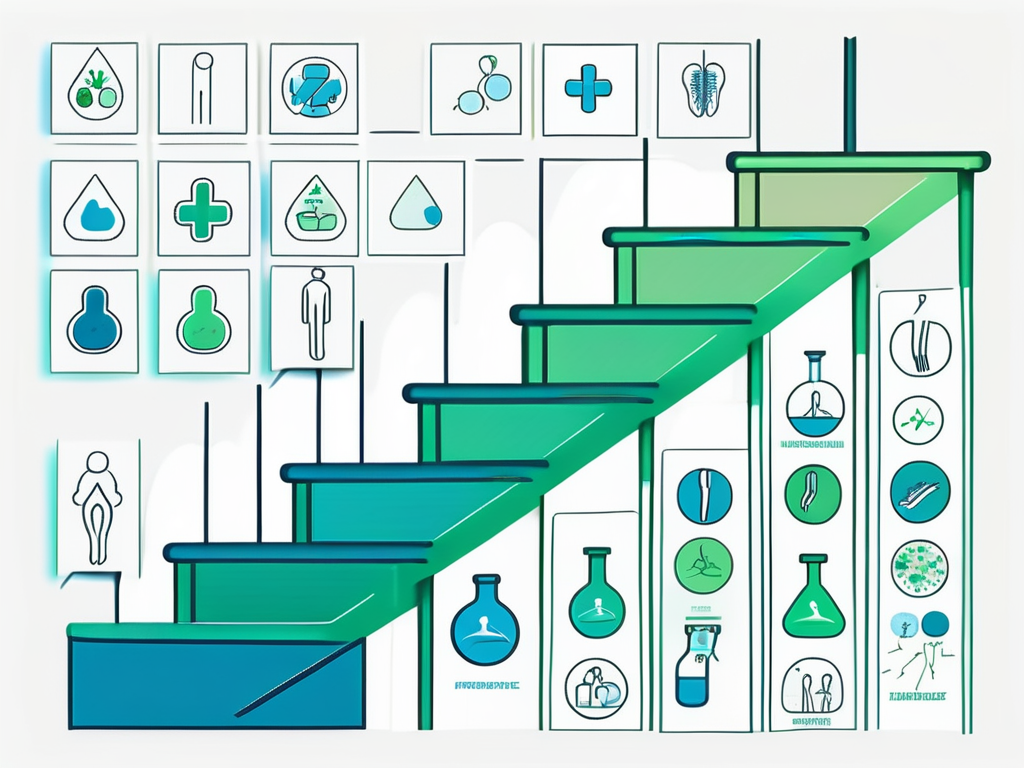
Each level of care has specific criteria that must be met for admission, and the level of care recommended will depend on the severity of the eating disorder and any other co-occurring disorders. The goal of all levels of care is to provide the patient with the skills and support needed to recover from their eating disorder.
Outpatient Treatment
Outpatient treatment is the least restrictive level of care and is suitable for individuals who are medically stable and do not require daily medical monitoring. This level of care typically involves individual therapy, group therapy, and may include a nutrition counseling.
Outpatient treatment allows individuals to remain in their home environment while receiving treatment and can be a good option for those who have a strong support system at home. This level of care can also serve as a step-down from more intensive levels of care as individuals progress in their recovery.
Intensive Outpatient/Partial Hospitalization
Intensive outpatient treatment or partial hospitalization provides a higher level of care than outpatient treatment and is suitable for individuals who require more support and monitoring. This level of care typically involves attending treatment services for a significant portion of the day, while returning home in the evenings.
Intensive outpatient programs often include a combination of individual therapy, group therapy, nutritional counseling, and medical monitoring. This level of care can be beneficial for individuals who are medically stable but still need a significant amount of support to combat their eating disorder.
Residential Treatment
Residential treatment is a higher level of care that provides 24-hour care and support for individuals who are medically stable but require constant support to address their eating disorder. This level of care typically involves a structured treatment program that includes a variety of therapies and interventions.
Residential treatment can be beneficial for individuals who have not made sufficient progress in outpatient or intensive outpatient programs, or for those who are unable to maintain their recovery in their home environment.
Inpatient/Hospitalization
Inpatient treatment or hospitalization is the highest level of care and is designed for individuals who are medically unstable and require constant medical monitoring. This level of care typically involves a stay in a hospital or specialized eating disorder treatment facility.
Inpatient treatment can provide immediate stabilization in a life-threatening situation and can be a necessary first step in the treatment process for individuals with severe eating disorders.
Choosing the Right Level of Care
Choosing the right level of care for an eating disorder is a critical step in the recovery process. The appropriate level of care will depend on a variety of factors, including the type and severity of the eating disorder, any co-occurring mental or physical health conditions, and the individual’s personal circumstances.
It’s important to work with a healthcare provider or a mental health professional who specializes in eating disorders to determine the most appropriate level of care. They can conduct a comprehensive assessment to determine the severity of the eating disorder and any other co-occurring conditions, and can recommend the appropriate level of care based on this assessment.
###
Eating disorders are serious mental health conditions that require professional treatment. Understanding the different levels of treatment can help individuals and their loved ones make informed decisions about their care. With the right level of care and the right treatment team, recovery from an eating disorder is possible.
Remember, it’s never too early or too late to seek help for an eating disorder. If you or someone you know is struggling with an eating disorder, reach out to a healthcare provider for help.
If you’re ready to navigate the journey to recovery from an eating disorder, ViaMar Health is here to support you every step of the way. Our compassionate team offers a range of personalized treatment options, from residential to intensive outpatient programs, tailored to meet your unique needs. We understand the complexities of eating disorders and provide comprehensive care that addresses co-occurring mental health conditions, ensuring a holistic approach to your well-being. Don’t hesitate to take the first step towards healing. Speak with an Admission Specialist today to start your voyage to recovery with ViaMar Health.